
The context
Natural disasters such as earthquakes, floods and hurricanes create rapidly evolving, high-pressure situations requiring immediate, coordinated response across multiple agencies, often with incomplete information and constrained resources.
The key opportunity and threat
- Opportunity – to save lives and minimise damage through rapid, coordinated action
- Threat – confusion, duplication of effort, delayed response, and breakdown in coordination
What they do that is special
High-performing disaster response systems rely on a structured, scalable coordination model designed for speed and clarity:
- Establish a clear command structure with delegated authority, enabling fast decision-making
- Use real-time data and situational awareness, tracking incidents, resources and priorities dynamically
- Operate with predefined workflows and contingency plans, reducing the need for ad hoc decision-making
- Coordinate across multiple agencies and disciplines, aligning efforts toward shared objectives
- Allocate resources dynamically based on changing needs and priorities
- Maintain disciplined communication protocols, ensuring clarity in complex environments
For example…
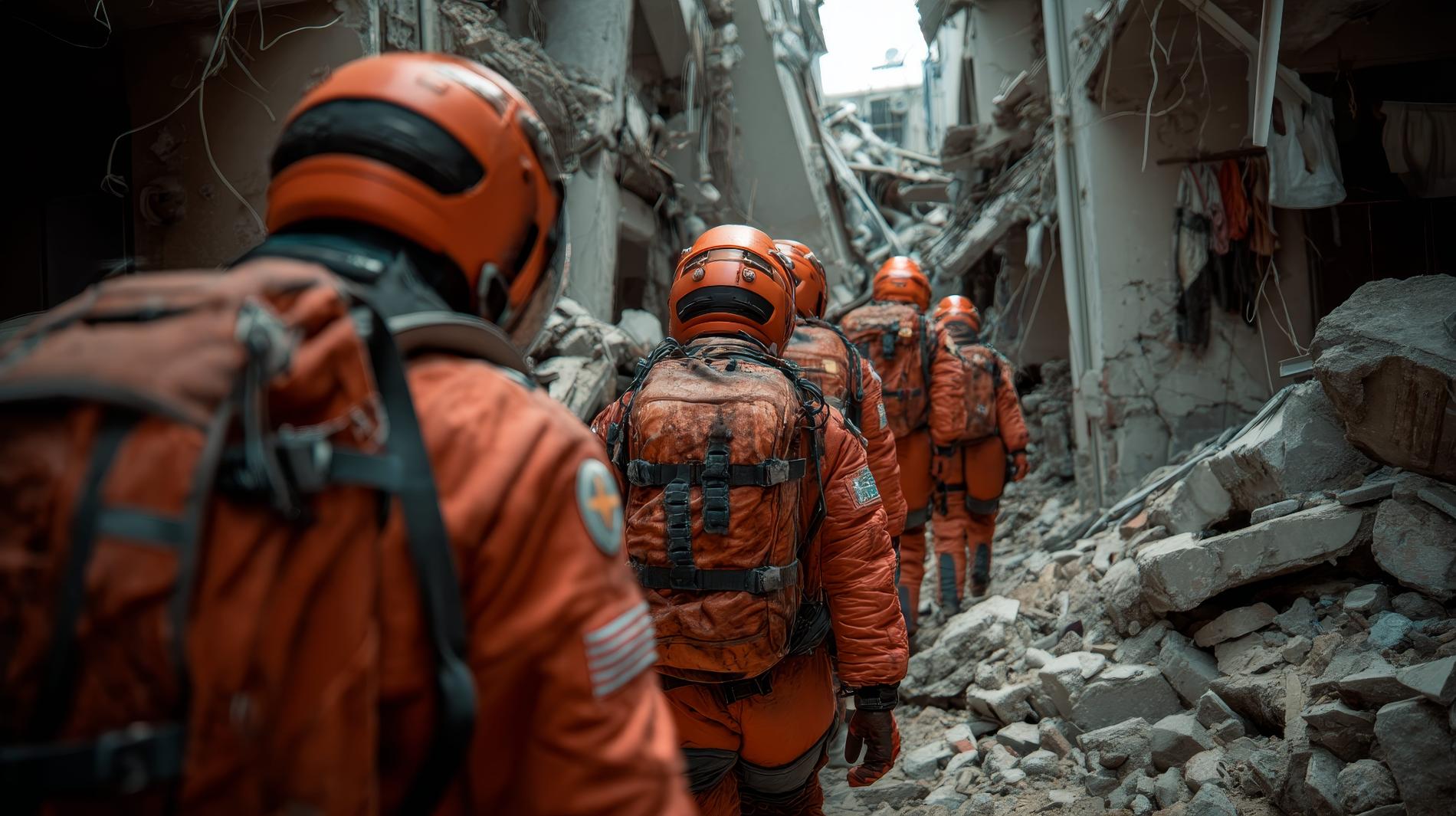
Following a major earthquake, multiple response teams, medical, search and rescue, logistics and security, are deployed simultaneously. A central command centre gathers real-time information on affected areas, resource availability and emerging risks.
Teams on the ground operate within a clear structure, reporting status and receiving updated priorities. As new information emerges, such as a previously unknown cluster of survivors, resources are rapidly reallocated.
Despite the chaos, the system functions with clarity because roles, processes and communication protocols are already defined.

The effectiveness comes not from improvisation alone, but from prepared structure combined with real-time adaptation. This enables rapid, coordinated response in situations where time and clarity are critical
Clarity of structure – how clear are roles, responsibilities and reporting lines in critical situations?
Real-time visibility – how quickly can you access accurate information to inform decisions?
Preparedness – how well defined are your processes for handling unexpected events?
Coordination – how effectively do different teams or partners work together under pressure?
Resource allocation – how dynamically can you shift resources to where they are needed most?
Communication discipline – how clear and consistent is communication during complex operations?
Ambition gap – if this level of coordinated response is possible, where are your biggest weaknesses today?