
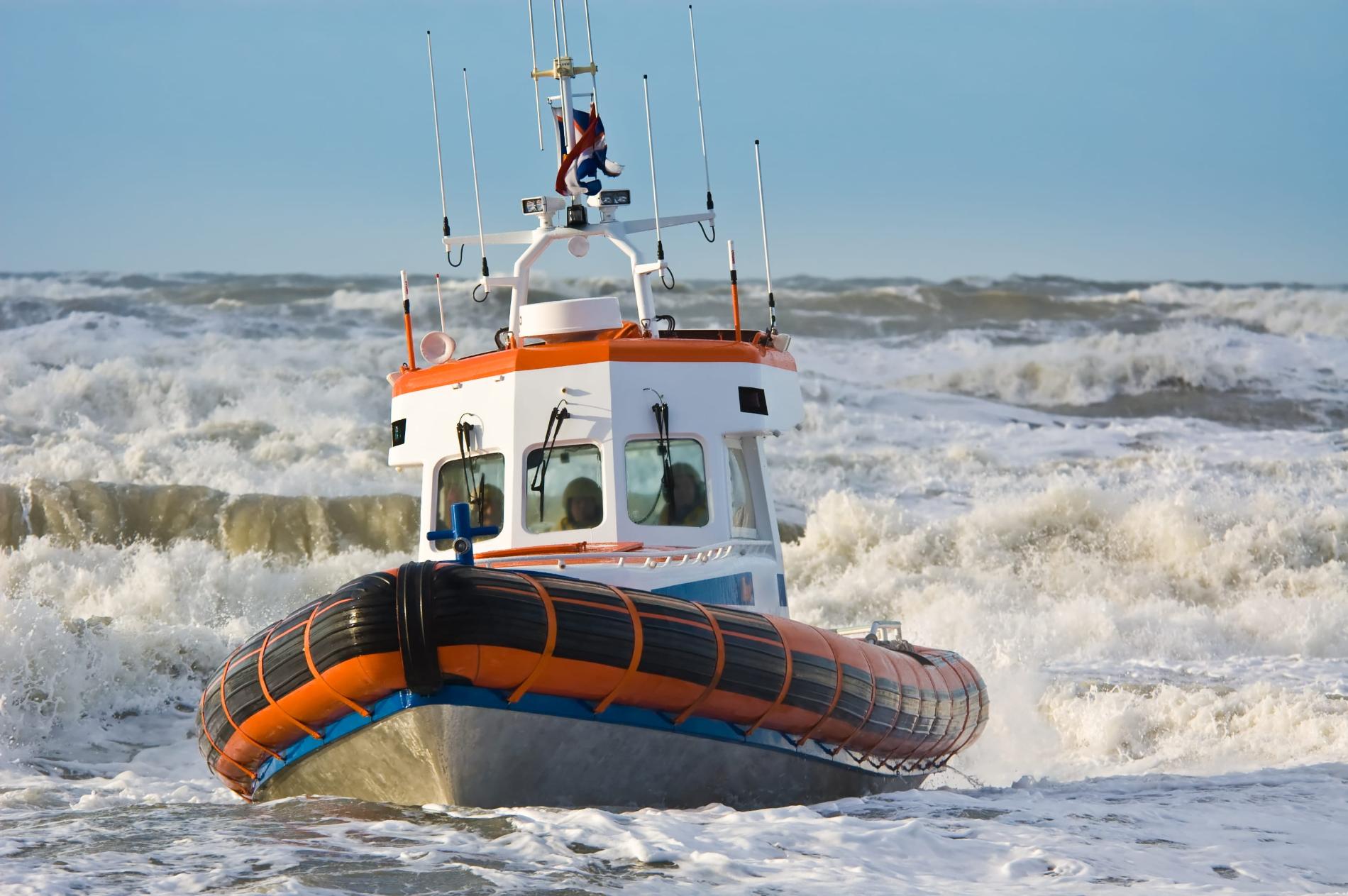
The context
The RNLI operates in one of the most hazardous environments imaginable—rescuing people at sea, often in extreme weather conditions where lives depend on rapid, accurate decision-making.
The key opportunity and threat
- Opportunity – to save lives through highly effective, coordinated emergency response
- Threat – volatile conditions, uncertainty, and the consequences of poor judgement under pressure
What they do that is special
The RNLI has built a high-reliability operating model that:
- Invests heavily in realistic, scenario-based training that replicates the unpredictability and stress of live rescues
- Establishes absolute clarity of roles and command structures, so there is no ambiguity when seconds matter
- Uses standardised procedures and checklists to reduce cognitive load and enable fast, consistent decisions
- Builds deep trust and cohesion through repeated training and shared experience
- Embeds a learning system, where every mission, successful or not, is reviewed to improve future performance
- Equips teams to balance protocol with judgement, ensuring flexibility in dynamic situations
For example…
A lifeboat crew is launched at night into severe weather following reports of a vessel in distress. Visibility is poor, conditions are deteriorating, and information is incomplete.
Despite this, the crew operates with calm precision, each member knows their role, communication is concise, and key decisions are made quickly using established protocols. When conditions shift unexpectedly, the coxswain adapts the approach based on training and experience, rather than rigidly following plan. The rescue is completed safely, not because the situation was controlled, but because the team was prepared to operate effectively within uncertainty.

This enables teams to operate safely and effectively in environments where the margin for error is minimal
Preparation for reality – how closely does your training replicate the pressure, ambiguity and pace of real situations?
Clarity under pressure – when things go wrong, is it immediately clear who is accountable for what?
Decision-making discipline – how well do your teams balance structured processes with professional judgement?
Cognitive load – where could standardisation or checklists improve speed and accuracy of decisions?
Learning loop – how systematically do you capture and apply lessons from incidents, near misses, or failures?
Resilience under stress – how confident are you that your teams would perform effectively in genuinely high-pressure scenarios?
Ambition gap – if this level of operational resilience is possible, where are your biggest exposure points today?