
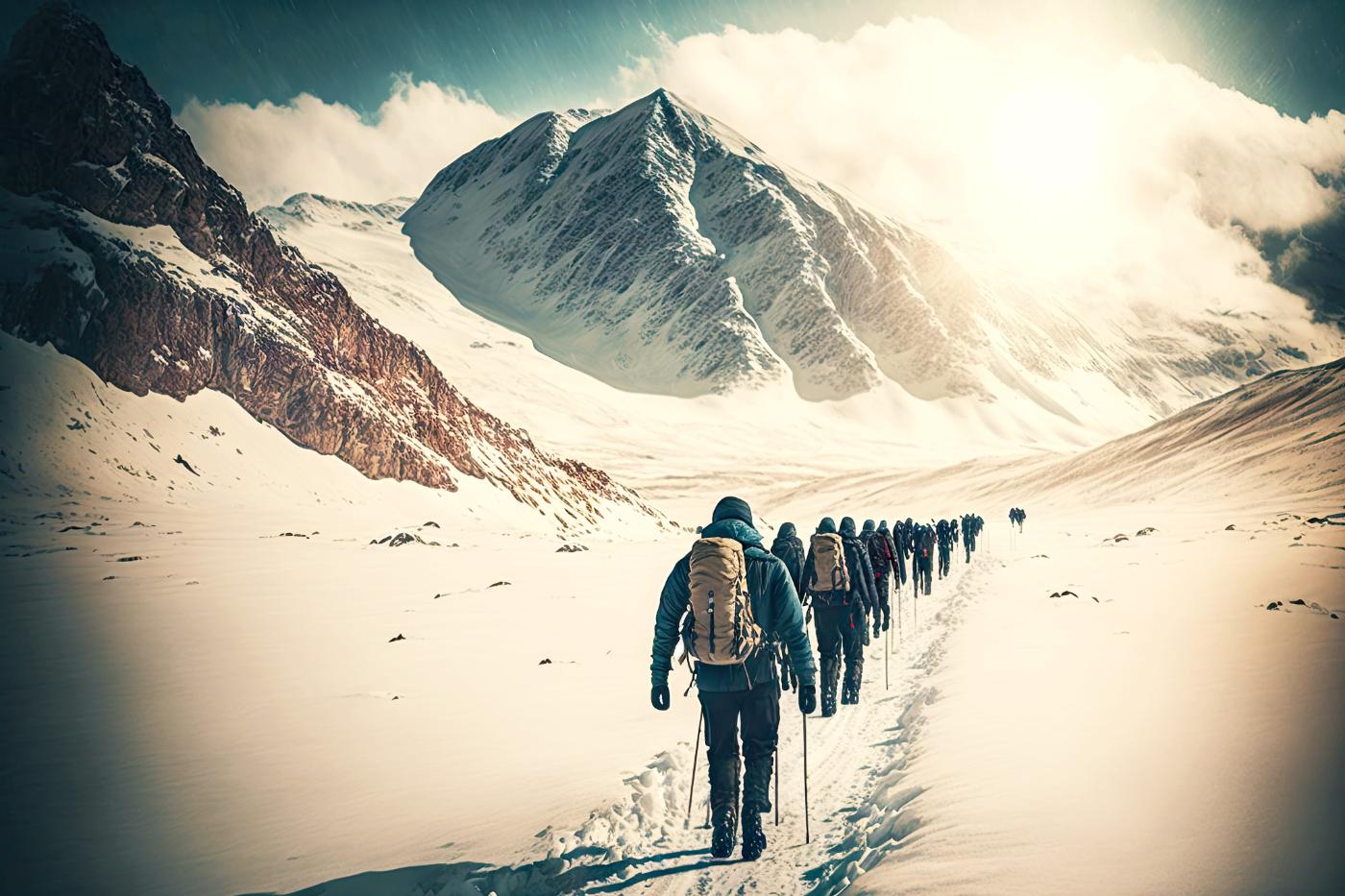
The context
In 1915, Ernest Shackleton’s Antarctic expedition took a catastrophic turn when their ship, Endurance, became trapped and eventually crushed by ice. Stranded in one of the harshest environments on earth, survival, not exploration, became the priority.
The key opportunity and threat
- Opportunity – to preserve the lives of every crew member despite extreme conditions
- Threat – freezing temperatures, isolation, limited resources, and collapse of morale
What they did that was special
Shackleton demonstrated adaptive, people-first leadership under extreme conditions:
- Rapidly reframed the mission from exploration to survival, creating clarity of purpose
- Prioritised the wellbeing of his crew above all else, recognising morale as critical to survival
- Maintained structure and routine, providing stability in uncertain conditions
- Led by example, sharing hardship and demonstrating resilience
- Continuously adapted strategy as conditions changed, including a high-risk journey to seek rescue
- Managed team dynamics carefully, maintaining cohesion and trust over many months
For example…
As conditions deteriorated and hope of completing the expedition disappeared, Shackleton made a decisive shift: survival became the only goal. He ensured that daily routines were maintained, mealtimes, duties, even moments of recreation, to preserve a sense of normality.
Later, he undertook a perilous 800-mile journey in a small lifeboat across the Southern Ocean to secure rescue for his men. Throughout, he projected calm, confidence and determination, never allowing despair to take hold.

Every member of the crew survived, a remarkable outcome given the circumstances. This stands as one of the greatest examples of leadership and resilience in extreme adversity
Clarity in crisis – how quickly can you redefine priorities when circumstances change?
People-first leadership – how strongly do you prioritise wellbeing and morale under pressure?
Adaptability – how willing are you to change course when plans become unviable?
Leadership visibility – how present and consistent are leaders during difficult periods?
Team cohesion – how well do you maintain trust and unity over time?
Emotional resilience – how effectively do you manage fear, uncertainty and morale?
Ambition gap – if this level of leadership is possible in extreme circumstances, how would your organisation respond under similar pressure?